Investment Pilot · Sri Lanka

Unlocking a Stalled
Export Value Chain

Value addition through effective inoculation of agarwood trees, supported by scenario based financial model.

About

K-LIFE
Investments

K-LIFE Investments is a Sri Lanka-based agribusiness company focused on sustainable agriculture and export oriented value chains. Since its establishment in 2013, the company has combined traditional land use knowledge with modern agronomic and scientific practices to develop a commercially viable, environmentally responsible venture.

K-LIFE has completed the Bandarawela pilot project, focused on demonstrating sustainable land use practices that address biodiversity restoration, climate resilience, and long term land productivity. The pilot reflects K-LIFE's approach of combining applied research with practical, scalable production models.

The pilot has endeavored to demonstrate the viability of an agarwood based polyculture system in Sri Lanka, leveraging the country's favorable climate and ecological conditions. By integrating agarwood species with native trees, K-LIFE's pilot project in Bandarawela was designed to demonstrate a model that delivers modest but stable returns while functioning as a climate positive land use system.

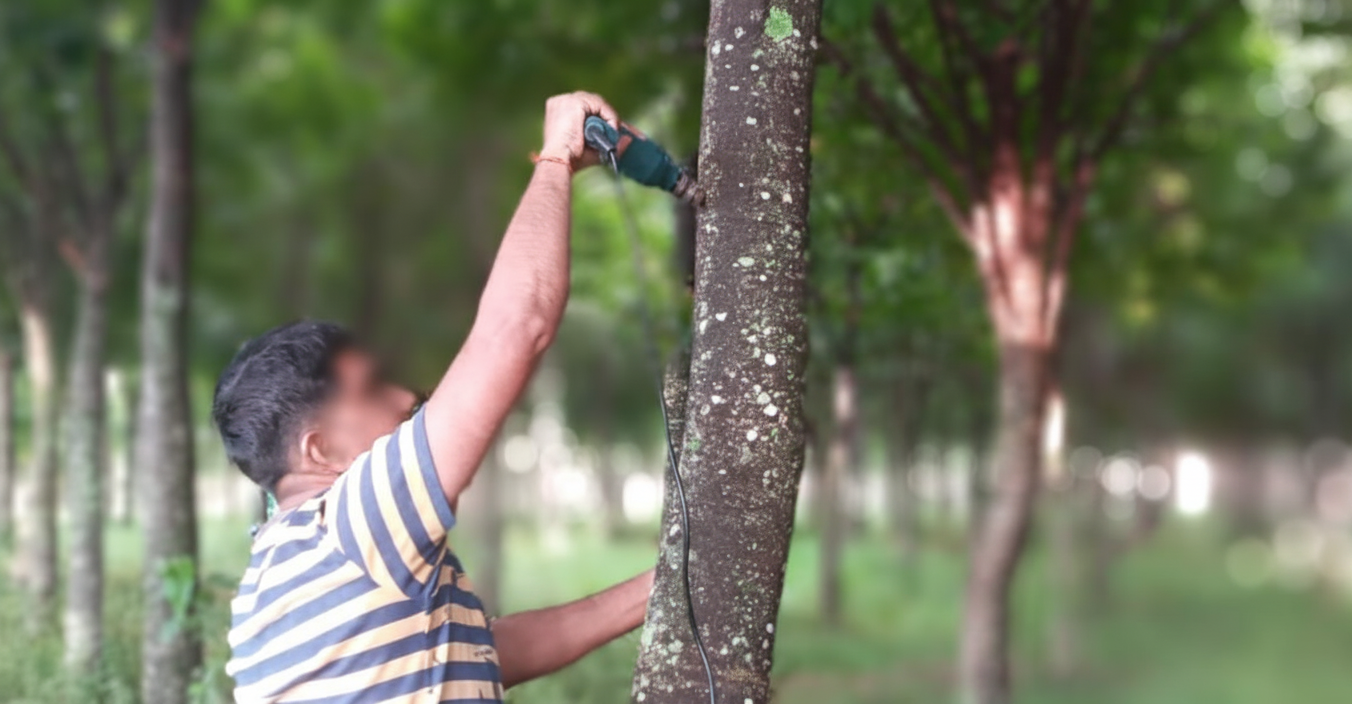
Alongside plantation development, one of K-LIFE's breakthroughs has been its ongoing work with local scientists to develop biomimetic agarwood inoculation methods that are faster and more effective than locally and internationally available alternatives. This research has broader relevance beyond K-LIFE's own operations, addressing a critical issue faced by smallholders. Ineffective inoculation can render years of cultivation economically unviable.

At the core of K-LIFE's philosophy is the integration of commercial agarwood production with native reforestation, creating managed forest systems that generate income while enhancing biodiversity, carbon sequestration, and ecosystem stability. This model is intended to be replicated and scaled across suitable regions of the country.

2013

Established

6K

Harvestable Trees

2013 — Present

Project
History

K-LIFE acquired the estate from its previous owners in early 2013 and subsequently transitioned it from its former identity as Carlton Estate. At the time of acquisition, the land was primarily under tea cultivation with limited mixed cropping. Beginning in 2014, the estate was progressively replanted with Aquilaria saplings, replacing tea as the primary crop. Existing native tree cover was retained to enhance soil health, support biodiversity, and avoid the development of a monocultural plantation.
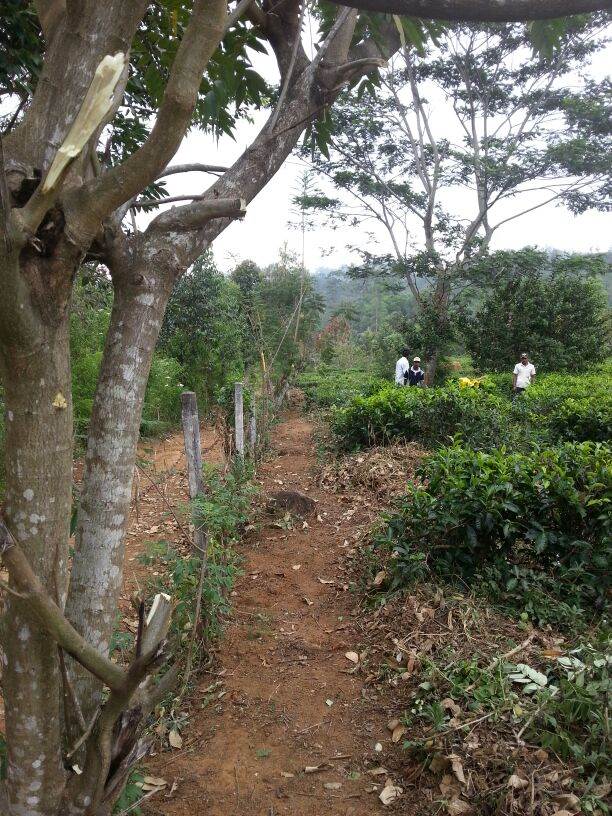
K-LIFE Estate 2014

Facilities such as a central motorized well for watering, a tank room for storage and in-house organic compost making.
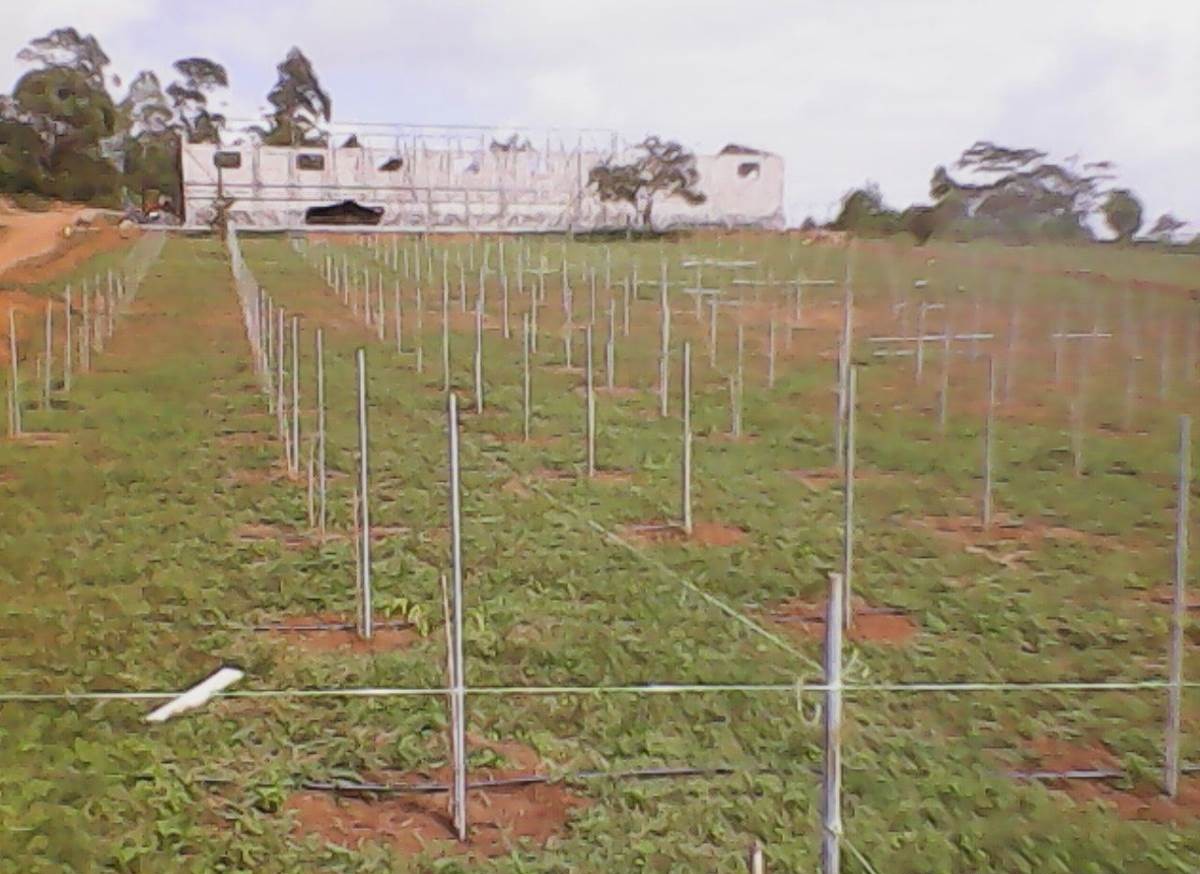
K-LIFE Estate 2015

The plantation continued to mature steadily year on year, with tree spacing deliberately maintained at a minimum of six feet from the base of each tree in all directions. This spacing was designed to minimize root competition and prevent root entanglement, ensuring adequate soil volume, nutrient access, and structural stability.
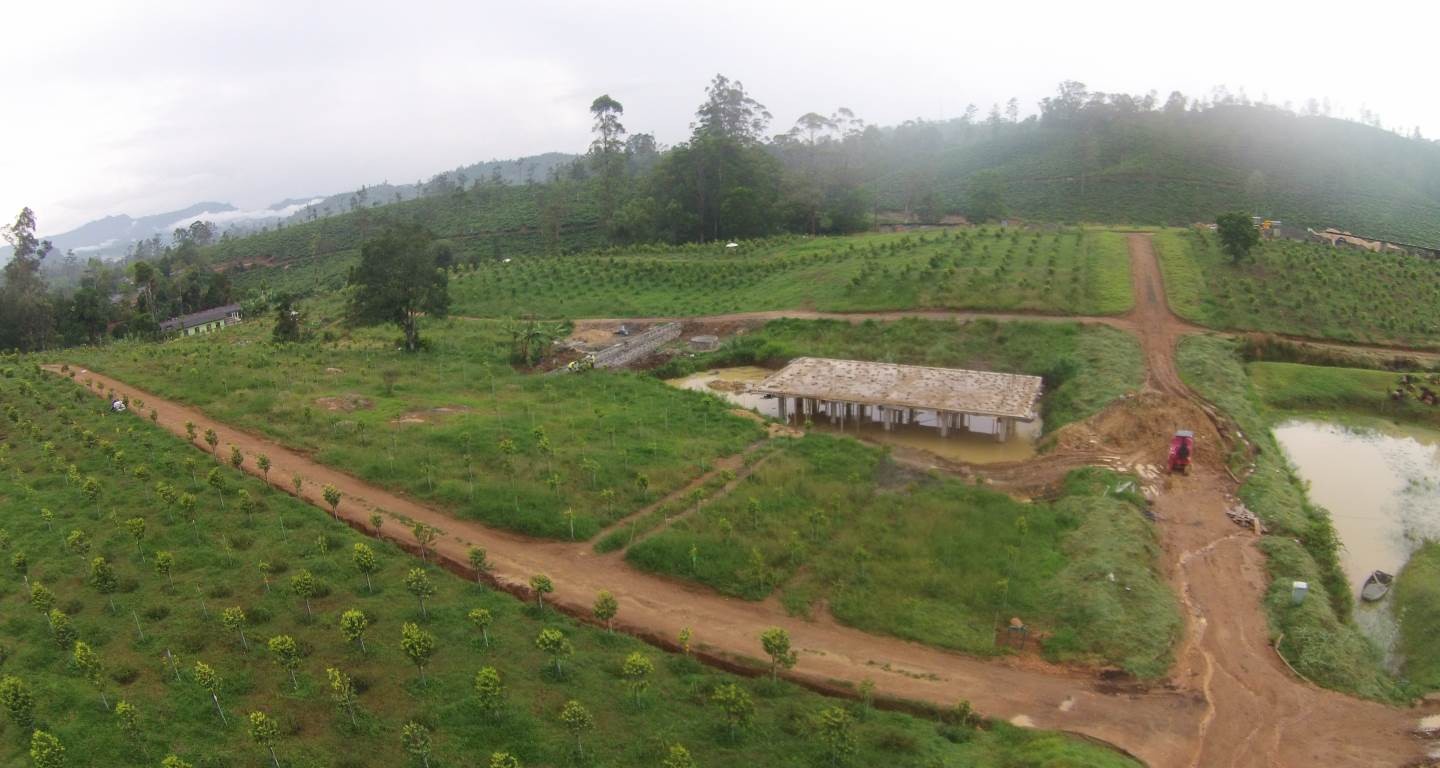
K-LIFE Estate 2017

By 2018, the estate had reached an important stage of structural and physiological maturity. K-LIFE deliberately chose to defer inoculation until the trees reached greater maturity, focusing on resin quality rather than early yield. Reaching fruiting maturity was treated as a minimum threshold before initiating inoculation.
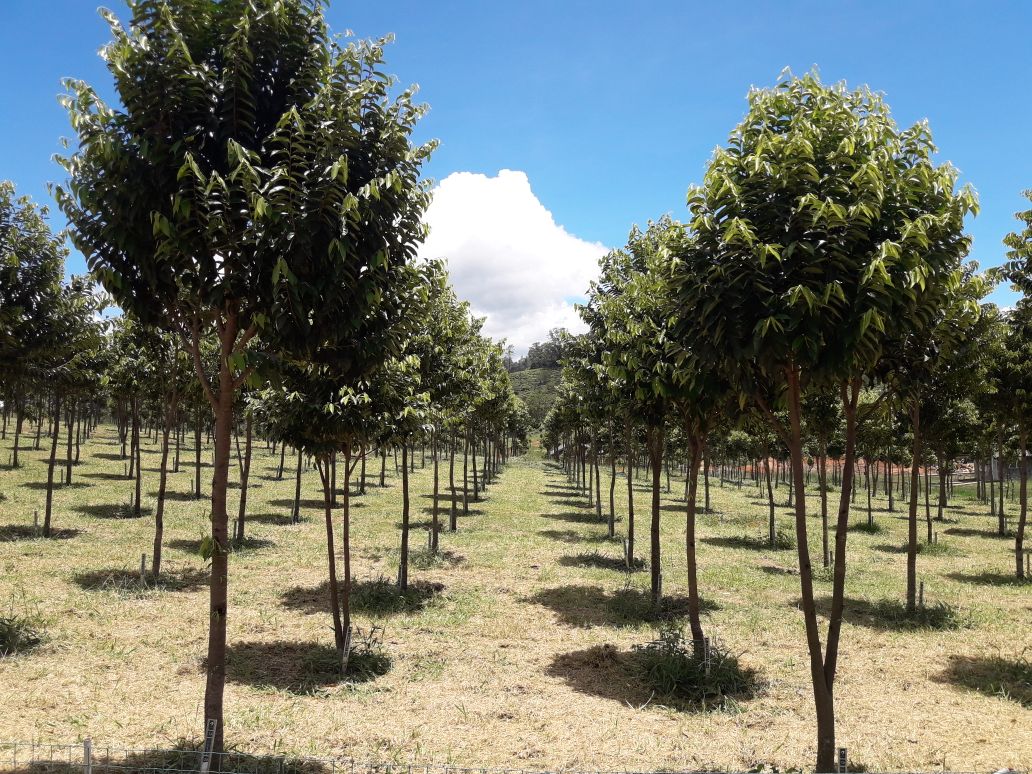
K-LIFE Estate 2018

By this point the trees have reached the stage where they give the entire plantation the look that was envisioned at the beginning of K-LIFE; a planned plantation of agarwood trees in arrow straight lines.
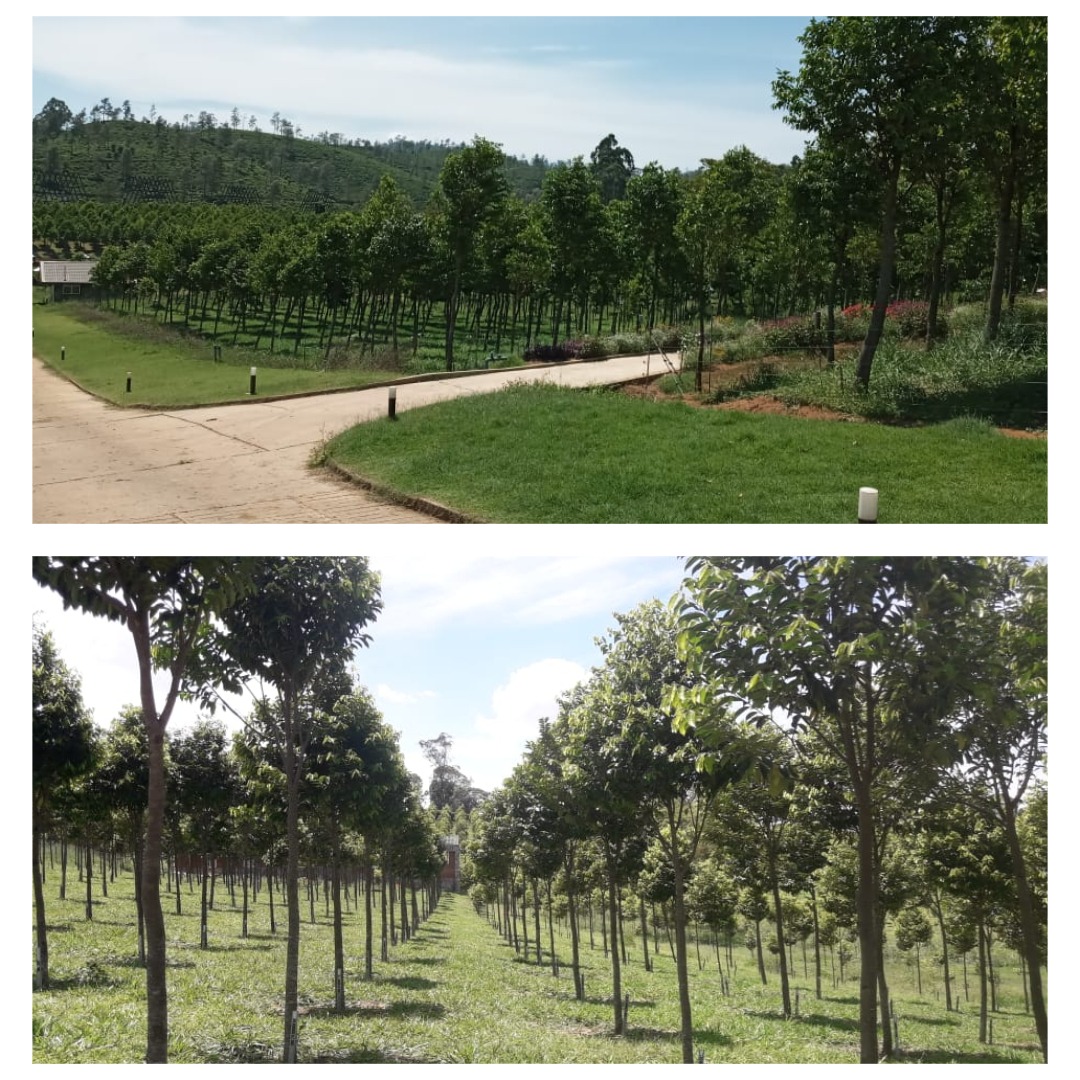
K-LIFE Estate 2019 - 2022

The Opportunity

Why Agarwood in Sri Lanka
Hasn't Reached Its Potential

Sri Lanka has over 2–3 million planted Aquilaria trees, yet the sector hasn't reached its maximum potential. The core issue: systemic inoculation failure preventing resin formation—the source of agarwood's extraordinary value.

Inoculant Failure

Most locally available inoculants have not performed reliably, leaving trees biologically idle.

Zero Commercial Value

Mature trees remain without resin formation, generating no commercial return on significant sunk investment.

Untapped Potential

Kilo for kilo, agarwood is the most valuable non-timber agroforestry product in the world.

The Solution

What This Investment Solves

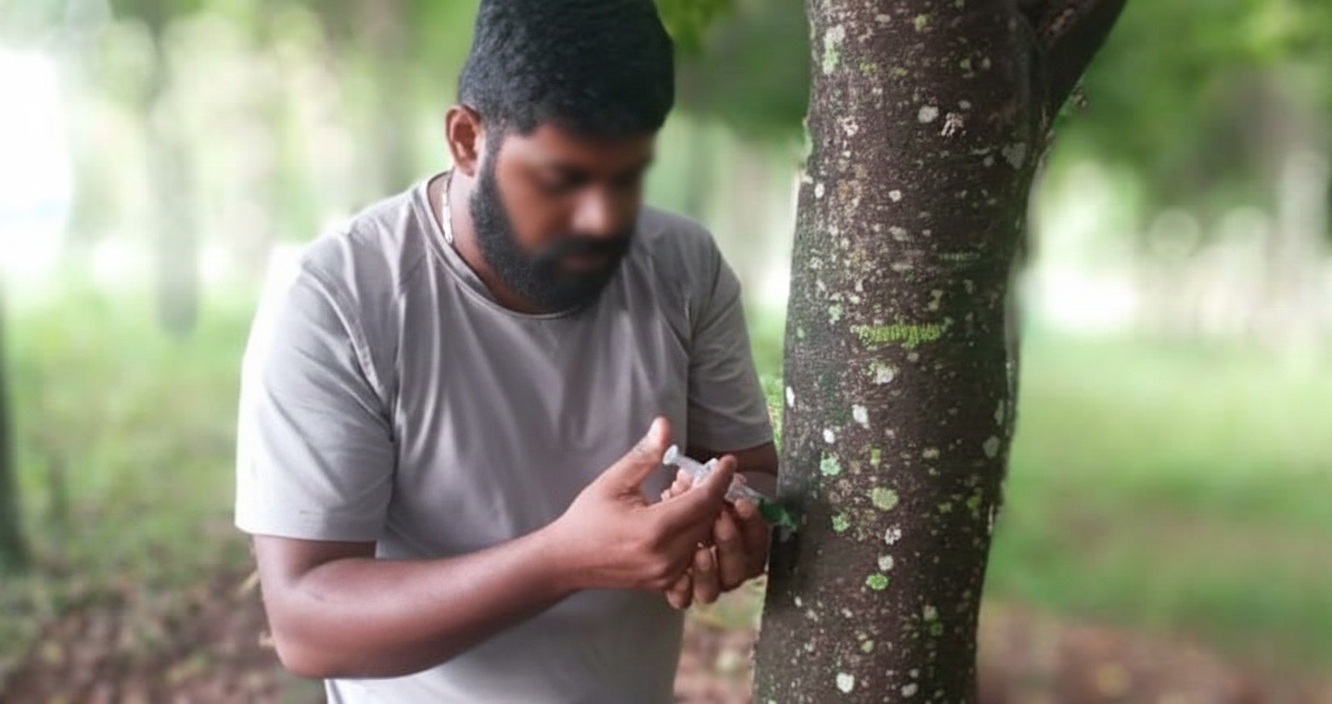
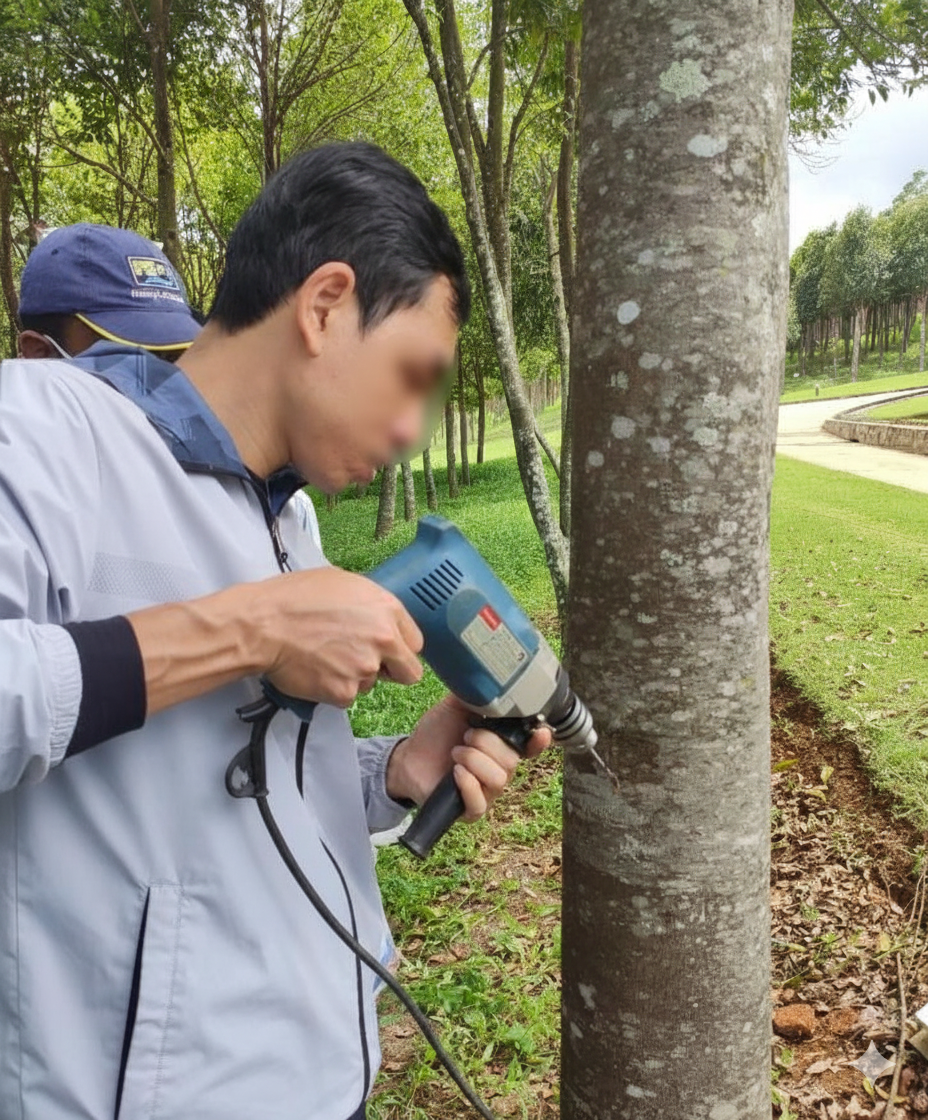
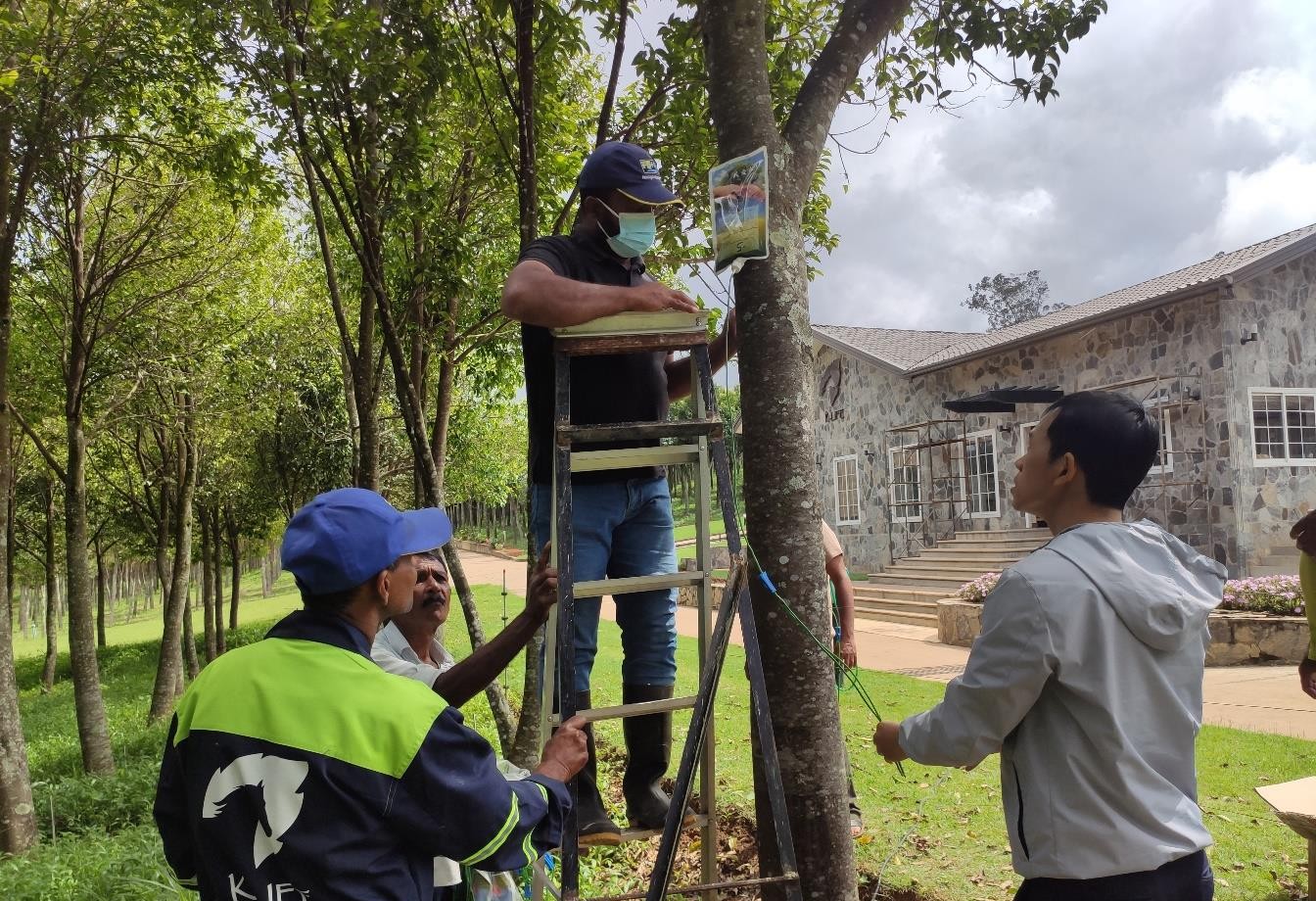
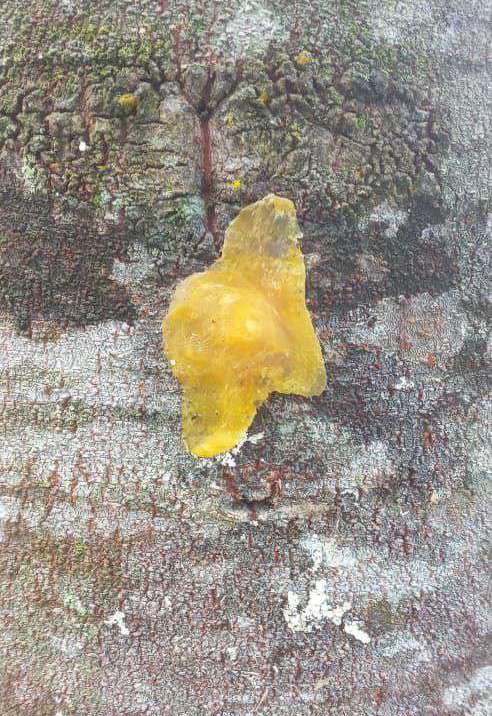
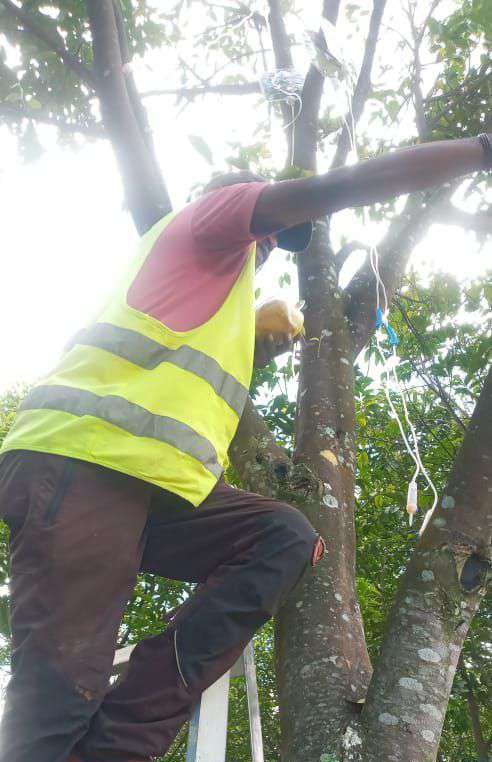
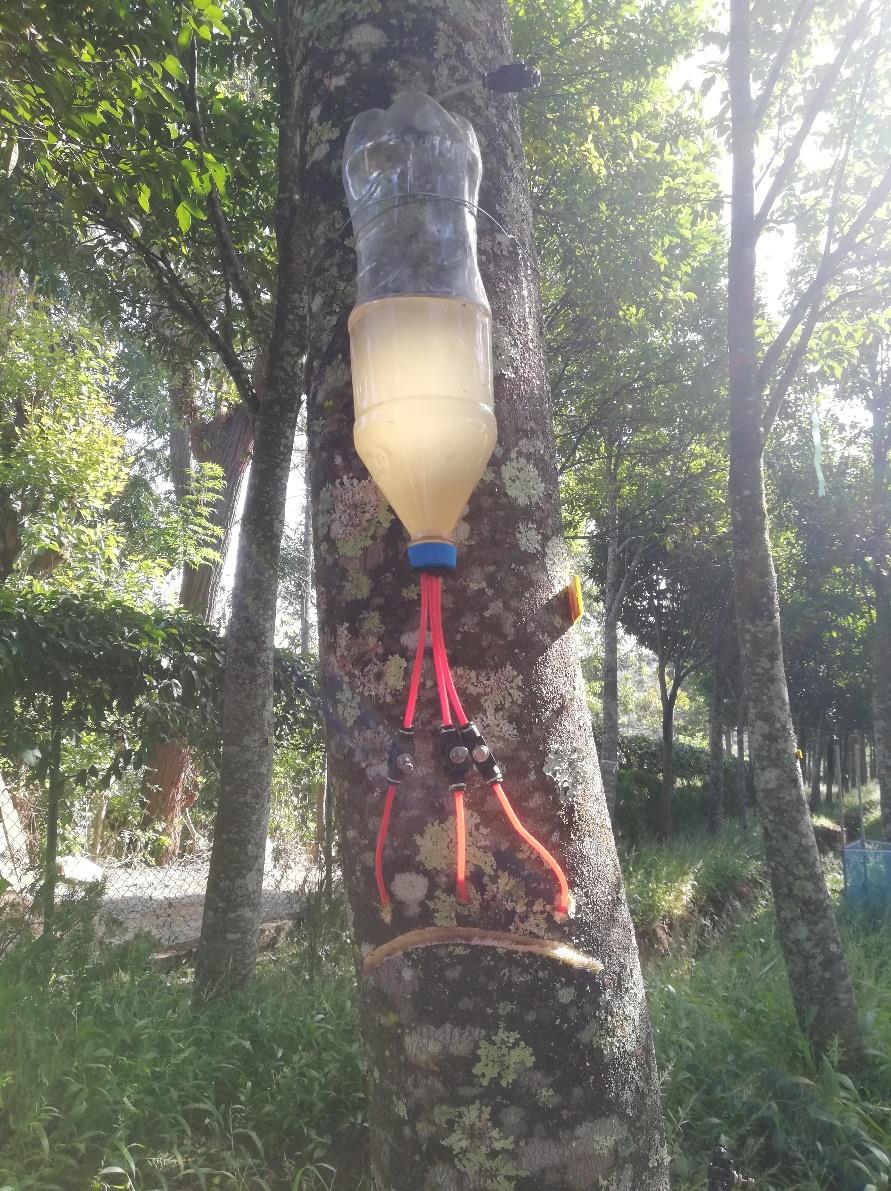
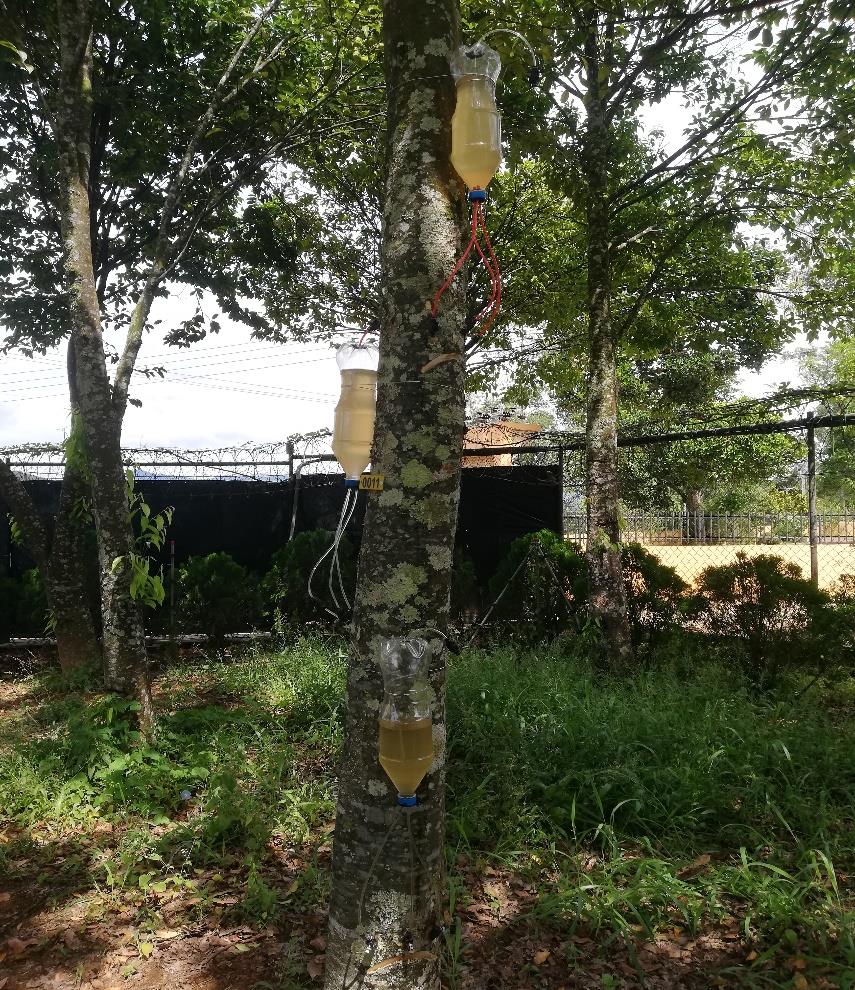
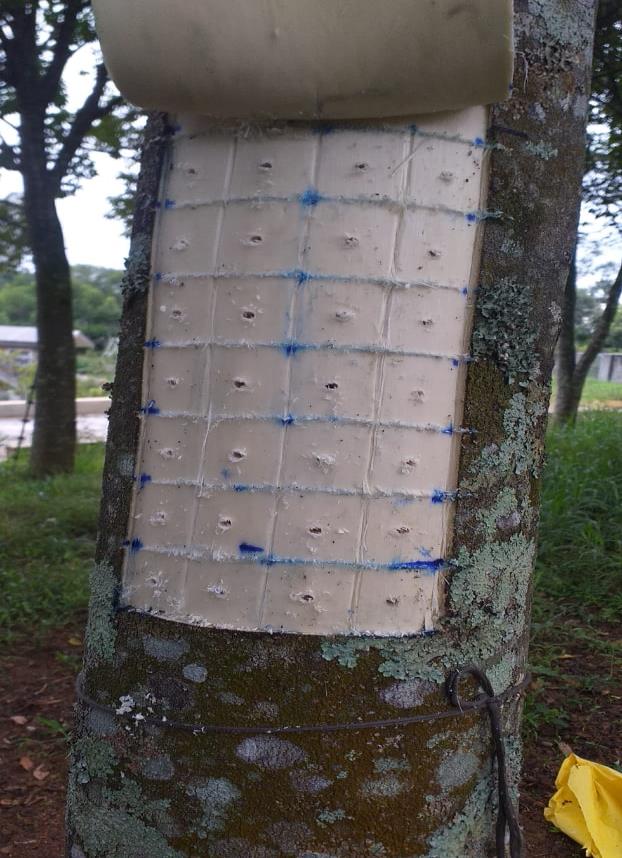
This pilot deploys a field-tested, biomimetic inoculation protocol on K-LIFE-owned agarwood plantations to demonstrate reliable resin formation, validate commercially viable yields, and establish repeatable unit economics.

Inoculation Method

Initiation Date

Local Inoculant

August 2022

Truong Thanh Khoan's Method

February 2023

Chinese Method

December 2023

Chainsaw Cut Method

February 2024

Surface Inoculation Method

December 2024

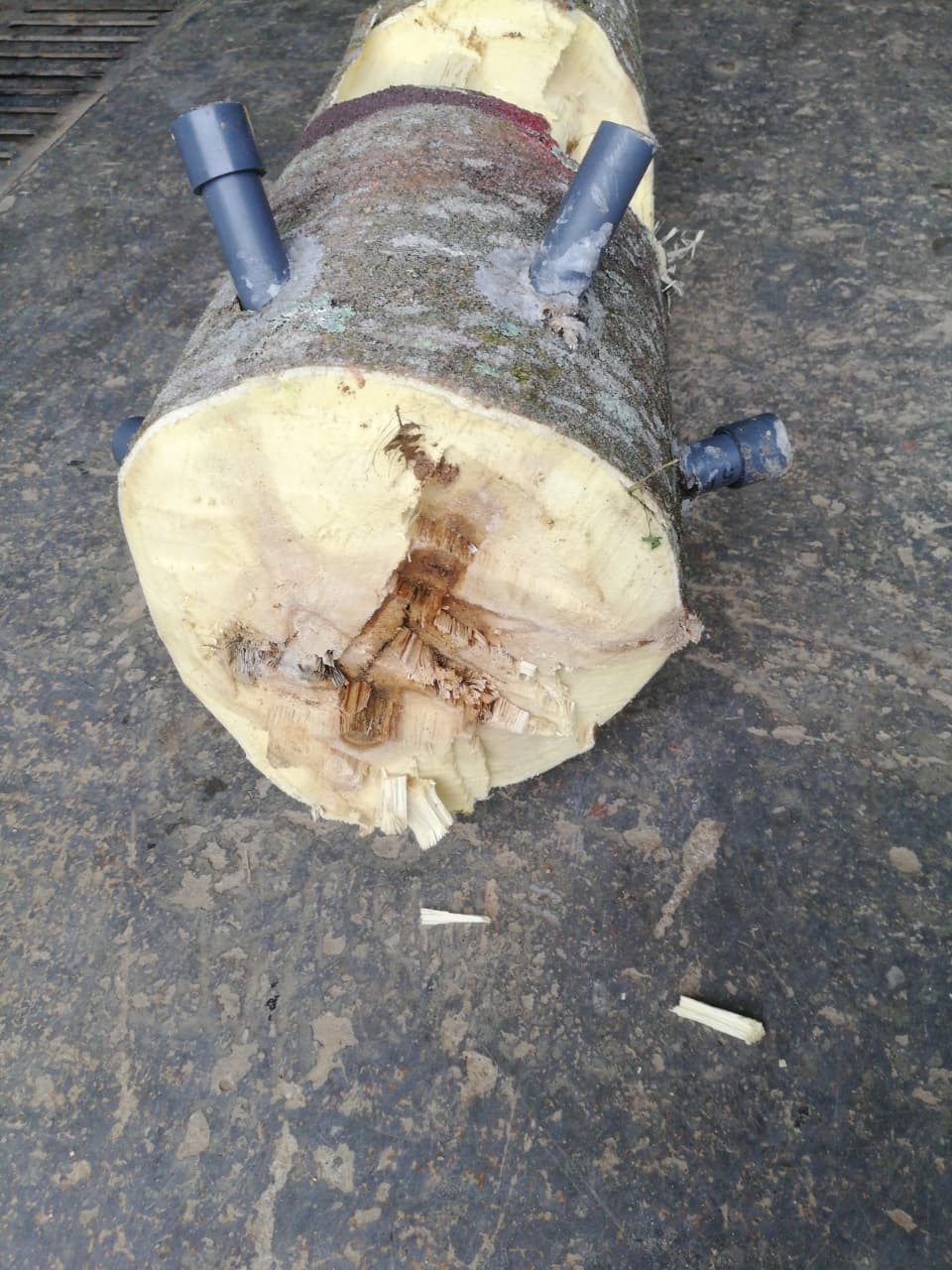
Pipe Method (Optimized Protocol)

August 2025

Why This Matters

Risk Profile

Low

Trees already owned, costs fixed upfront

Timeline

3 Years

To harvest and export sale

Market

Established

Middle East and East Asia demand, including houses such as Symrise AG

Model

Replicable

National reference case

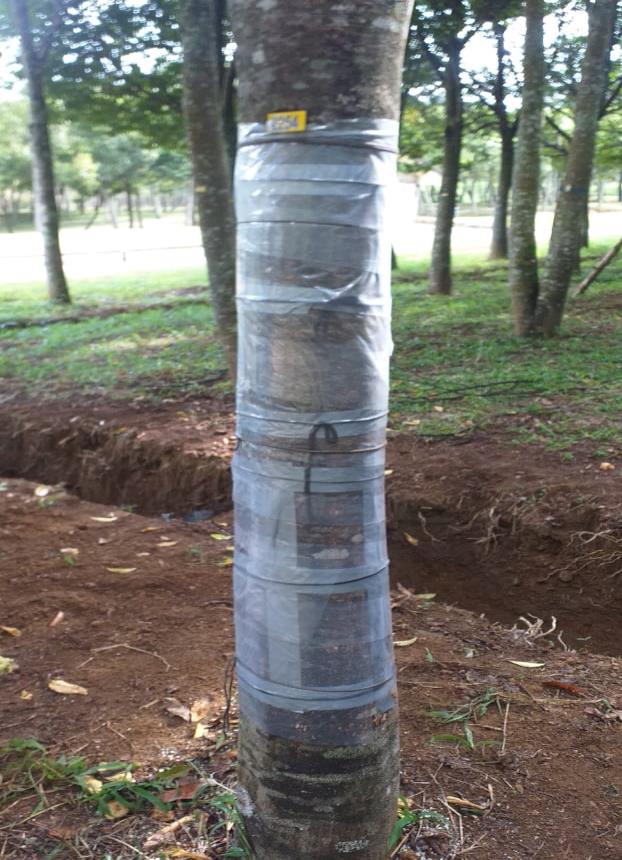
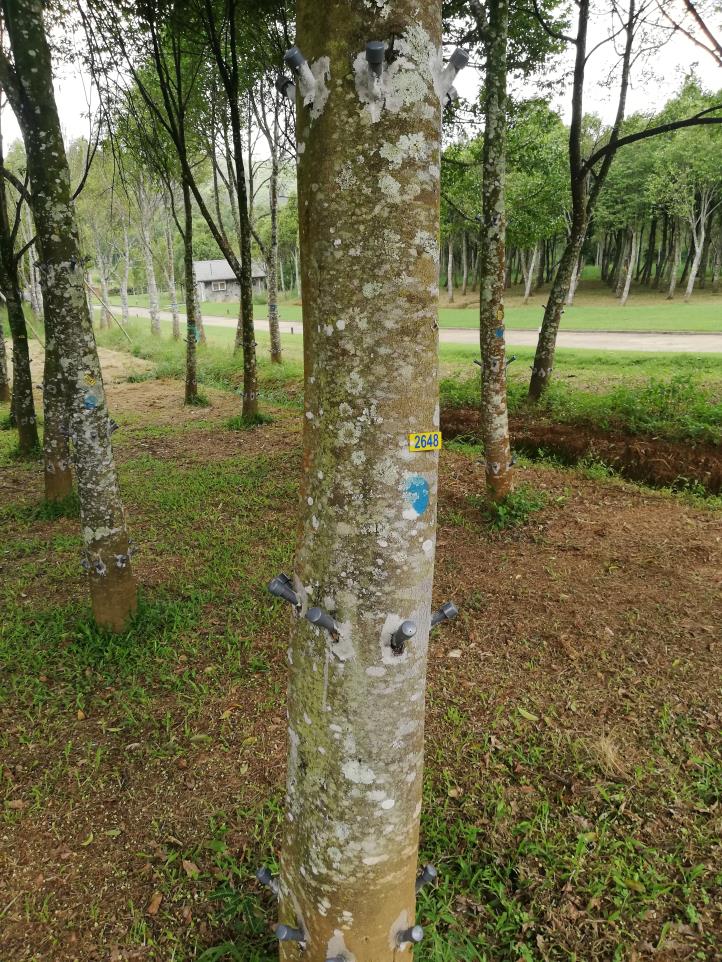
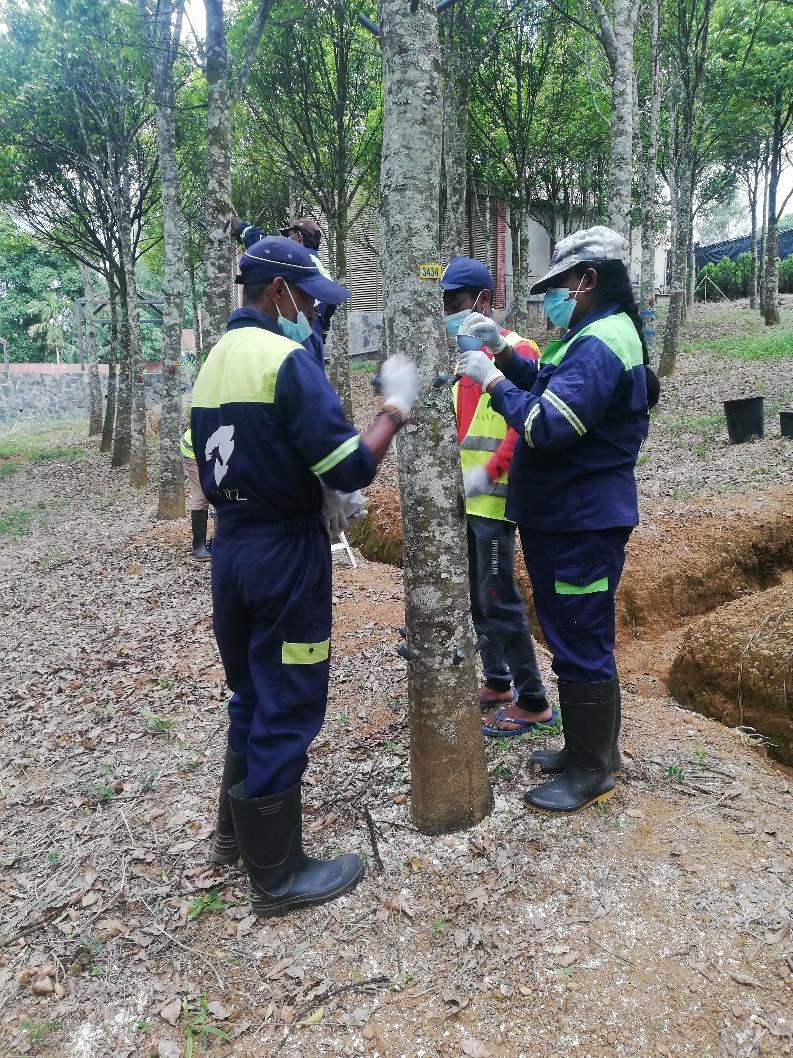
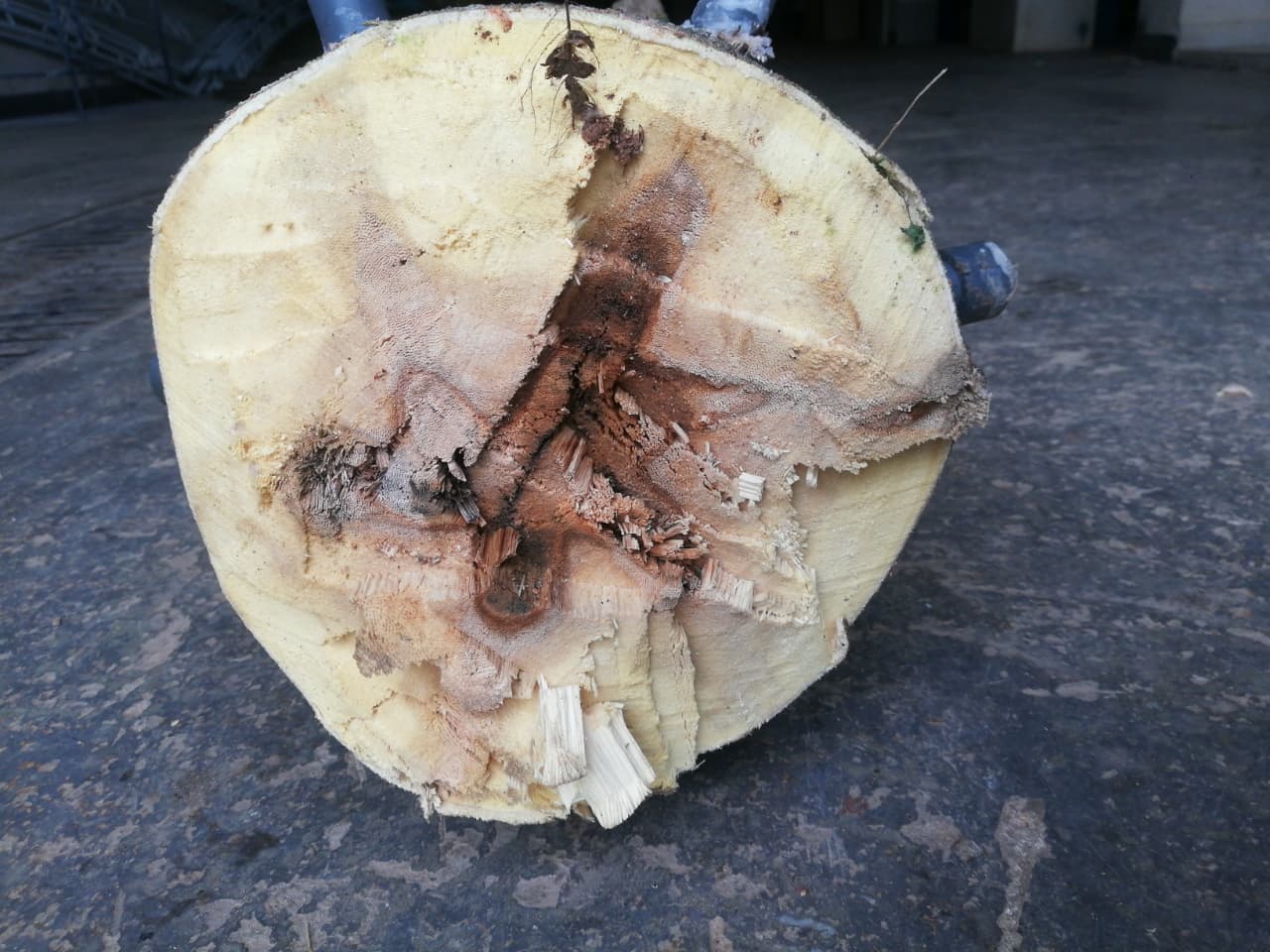
Field Trial Documentation

Process

The Agarwood Value Chain

01

Planting

5-7 years cultivation to inoculation readiness

02

Inoculation

Biomimetic fungal/microbial cocktail introduced for agarwood production and resin formation

03

Formation

18-30 months resin development period

04

Harvesting

Valuable resin is collected from trees and processed into export-ready agarwood powder suitable for oil extraction

05

Export

Oil sales to Middle-Eastern vendors and international perfumery houses in Europe that specialize in naturally derived fragrances

Visual Journey

The Plantation Lifecycle

1

Seed

Aquilaria planted among native cover

2

Growth

Five to seven years to inoculation readiness

3

Inoculation

Biomimetic treatment starts resin formation

4

Resin

18–30 months of development

5

Harvest

Export-ready agarwood for oil extraction

Scenarios

Model Cases

Best Case

Yield100%
Price Change0%
Tax Rate0%

Expected

Yield95%
Price Change-5%
Tax Rate30%

Worst Case

Yield90%
Price Change-10%
Tax Rate30%

Interactive Model

Financial Calculator

Adjust the parameters to model different investment scenarios.

%

% of expected tree production

%

Market price adjustment

%

Corporate tax rate

%

For NPV calculation

Revenue

$1525K

Direct Cost

$1275K

Profit After Tax

$149K

IRR (3Y)

31.3%

Revenue Breakdown

Number of Trees5,000
Yield Rate100%
Effective Trees5,000
Base Price per Tree$305
Price Adjustment+0%
Adjusted Price per Tree$305.00
Total Revenue$1,525,000

Formula: 5,000 × 100% × $305.00 = $1,525,000

Direct Cost Breakdown

Cost of Trees$1,175,000

5,000 trees × $235/tree

Inoculation Cost$100,000

5,000 trees × $20/tree

Total Direct Cost$1,275,000

Tree Cost

$235

Inoculation

$20

Total per Tree$255

Fixed Cost Breakdown

Logistics$2,000
Processing$15,000
Sales & Marketing$20,000
Total Fixed Expenses$37,000

Tax Calculation

Profit Before Tax$213,000
Tax Rate30%
Tax Amount$63,900

Cash Flow Summary

IFC Advisory (Y0)$106K
Project Revenue$1525K
Total Inflow$1631K
Direct Costs$1275K
Fixed Expenses$37K
Tax$64K
Total Outflow$1376K

IFC Returns (Year 3)

Balance Before Dist$255K
Initial Investment Return$106K
Profit Share (90%)$134K
Total Return$240K

Multiple

2.27x

NPV @ 10%

$74K

Analysis

Sensitivity Testing

Yield Sensitivity

80% 90% 100% 110% 120%

Price Sensitivity

-10% -5% 0% 5% 10%

NPV Sensitivity to Discount Rate

0% 5% 10% 15% 20% 25% 30%

Matrix

Profit Heatmap

Yield % (rows) vs Price Change % (columns)

Y \ P -10% -5% 0% 5% 10%
80% $-214K $-153K $-92K $-31K $21K
90% $-77K $-8K $42K $90K $138K
100% $42K $96K $149K $202K $256K
110% $138K $197K $256K $315K $373K
120% $234K $299K $363K $427K $491K

Ready to Explore
This Opportunity?

This pilot represents a unique chance to unlock value in a sector that has not reached its maximum potential while supporting sustainable agroforestry practices.